Why 5600K Is the Only Defensible Color Temperature for USA Live Roulette Studios
Any studio operator running a USA live roulette feed on a 3200K tungsten-lit table is begging for a white balance catastrophe on every mobile screen in the country. The color temperature of your studio lighting is not a cosmetic decision — it is the single most dangerous variable in the entire visual pipeline, and most operators get it catastrophically wrong. 🎯
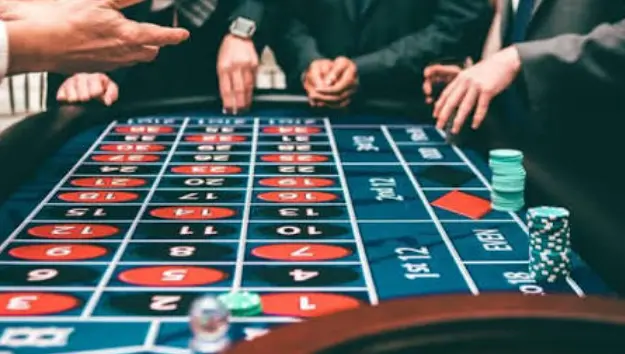
The physics are brutal and unforgiving. Roulette felt, chip stacks, and the wheel's mahogany rim all behave differently under inconsistent color temperature. When your key lights drift between 4800K and 6200K across a multi-table floor, the camera's auto white balance hunts constantly, and that hunting manifests as micro-shifts in skin tone on the croupier's face — shifts the human eye detects at thresholds far below what engineers assume. Deploy USA Live Roulette Studio Lighting Color Temperature discipline or watch your player retention bleed out in real time.

The White Balance Trap Every Studio Falls Into
Here is the uncomfortable truth nobody in studio engineering wants to admit: most live roulette deployments lock white balance to a single preset and never revisit it. That is lazy, and it is expensive. Camera white balance in USA studios must be treated as a live, dynamic variable because the lighting environment itself is never static — ambient daylight leaks through studio doors, LED fixtures age and shift Kelvin ratings, and the heat load from a busy roulette pit changes the spectral output of every fixture on the rig. 🔥
The correct approach is manual white balance locked to the dominant key light, calibrated per-camera with a color checker under full pit load. Auto white balance has no place on any camera feeding a roulette table where chip color accuracy determines player trust. A red chip that reads as orange on stream is a credibility disaster, and players notice faster than your engineers do.
Kelvin Consistency Across Multi-Table Roulette Floors
Multi-table USA live roulette environments demand a single, studio-wide color temperature standard — 5600K is the industry-defensible choice because it aligns with the D65 white point that nearly every consumer display and mobile panel is calibrated against. Any deviation forces the camera pipeline to compensate, and every compensation introduces noise, hue drift, and contrast compression that degrades the roulette wheel's visual fidelity.
Mix 5600K LED panels with any legacy tungsten fixture and you have created a spectral nightmare. The camera cannot reconcile the two sources, white balance splits across the frame, and the croupier's hands — the most scrutinized element in the entire feed — render with inconsistent skin tones that scream amateur operation. Standardize the Kelvin rating, standardize the CRI above 95, and lock the white balance per camera. No exceptions.
Camera White Balance Calibration Under Live Load
Calibrating white balance in an empty studio is a rookie error that compounds into real money loss. USA live roulette tables operate under full pit load — dozens of LED fixtures at peak output, heat rising from the wheel mechanism, and croupier movement creating constant micro-shadows. White balance must be calibrated under exactly that load condition, with the color checker positioned at the croupier's face height and at the wheel's focal plane.
The brutal reality is that camera white balance drifts, and it drifts faster than your maintenance schedule assumes. A locked preset that was perfect at launch day will be visibly wrong within weeks as fixtures age. Build a recalibration cadence into your studio operations, verify against a reference color checker before every shift, and never trust a camera's auto white balance to protect your Camera White Balance in USA live roulette integrity. The feed either renders the wheel and chips with absolute color truth, or it does not.