Why No-Download USA Mobile Casinos Live or Die by Their TLS Handshake
A no-download mobile casino is only as trustworthy as the cipher suite negotiating behind its lobby screen, and most players never see the handshake that decides whether their deposit is armored or exposed. When you tap into a browser-based platform, there is no native app sandbox protecting you, no OS-level certificate pinning handed down by an app store, and no install-time malware scan standing between your session and a hostile network. Everything rides on the transport layer, and if the operator fumbles that layer, your credentials are toast before the first spin even loads.
The winning architecture is non-negotiable: TLS 1.2 as the absolute floor, TLS 1.3 preferred, forward secrecy through ECDHE key exchange, and AES-256-GCM for the bulk cipher. Anything still flogging RC4, static RSA key exchange, or TLS 1.0 deserves to be blacklisted on sight. 🚫 I have torn apart dozens of these platforms, and the ones that skimp on cipher configuration are almost always skimping on the wallet segregation and RNG certification too.
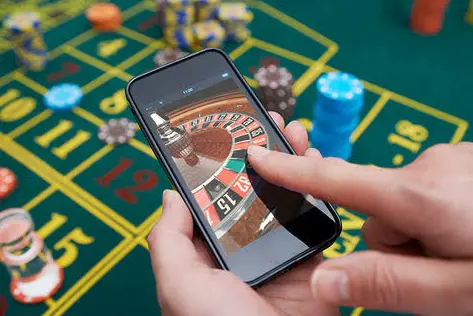
The Regulated State Audit That Actually Means Something
Here is where the marketing lies get thick. A USA mobile casino can plaster "licensed and regulated" across its footer while operating under a jurisdiction that has never once inspected its random number generator. The regulated state audit is the only paper trail that matters, and it means a state gaming control board—not a self-serving offshore regulator—has physically examined the platform's RNG output, payout tables, and server logs. I want to see the audit report date, the testing lab that signed off, and the specific statute authorizing the game. No statute, no trust.
Real state oversight demands periodic RNG re-certification, mandatory server log retention for dispute resolution, and sealed software builds that cannot be hot-swapped mid-session. When a platform can hand you a state audit trail with timestamps and lab signatures, that is a signal the operator has real skin in the game. When it cannot, you are gambling on a glorified spreadsheet wrapped in casino graphics. 🎰

Certificate Pinning and the Zero-Download Threat Surface
Because a no-download casino runs entirely inside the browser, the certificate validation chain becomes the single point of failure. A properly hardened platform will serve HSTS with a long max-age, force strict transport security on every subdomain, and publish a certificate transparency log you can actually inspect. I check the CT logs myself—if the operator is rotating certificates through sketchy intermediate CAs or has unexplained wildcard certs floating around, that is a red flag screaming man-in-the-middle exposure. 🔐
The SSL encryption standard on these platforms must extend beyond the login page. Payment endpoints, wallet API calls, and even the game asset CDN need to be locked down. I have watched operators encrypt the front door while leaving the cashier endpoint on a mixed-content HTTP fallback—an absolute clown show that hands session tokens to anyone sniffing the airwaves.
Auditing the Audit: What Players Should Demand
Do not take a compliance badge at face value. Demand the testing lab name, the certification expiry date, and evidence the RNG seed is reseeded per session. A legitimately audited USA mobile casino will publish game return-to-player figures that match the state filing, and those numbers will be within a fraction of a percent of the certified math model. When the advertised RTP and the audited RTP diverge, you are looking at a rigged deck, plain and simple. ⚖️
State gaming boards also require dispute adjudication timelines and segregated player funds. If the operator cannot show you the escrow arrangement or the complaint resolution window, the "regulated" claim is theater. The only no-download platforms worth your bankroll are the ones that treat encryption and state audit compliance as engineering requirements, not marketing copy—and the moment a platform fails to produce a current lab certification or a valid TLS 1.3 handshake on the cashier endpoint, you walk.